Brief Introduction to Pyrethrum
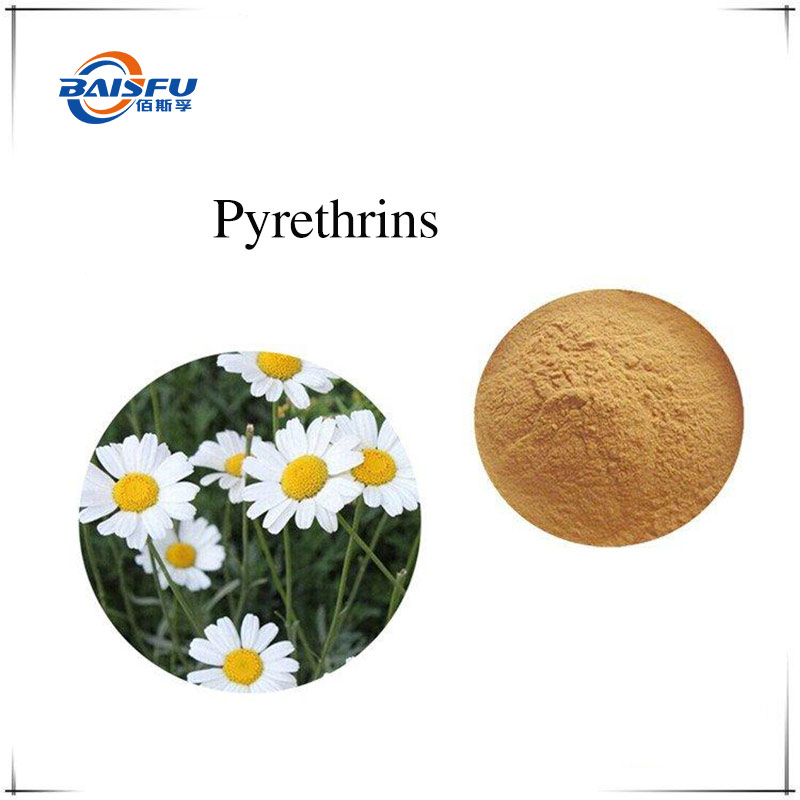
Pyrethrum refers to a group of perennial herbaceous plants belonging to the Asteraceae family. Originally classified under the genus Pyrethrum, some of its species have now been reclassified into the genera Tanacetum or Chrysanthemum. It is widely recognized as the core raw material for natural insecticides and also has ornamental value. The plant height generally ranges from 30 to 100 centimeters, with pinnate or bipinnate leaves and daisy-like capitula. The petals come in colors such as white, pink and red, with yellow tubular flowers in the center, presenting an elegant and unique appearance.
Native to temperate Eurasia, the Balkan Peninsula and the Caucasus region, pyrethrum is now cultivated in many parts of the world. In China, it is mainly grown in cool high-altitude areas in the southwest such as Yunnan, Guizhou and Sichuan, as well as in provinces like Shaanxi, Shandong and Jiangsu, among which Yunnan Province is the largest planting base in the country. The core value of pyrethrum lies in pyrethrins contained in its flowers, a natural insecticidal component that distinguishes it from other Asteraceae plants. Among them, Tanacetum cinerariifolium (also known as Dalmatian chrysanthemum) has the highest pyrethrin content and is the main commercially cultivated variety, while Tanacetum coccineum (Persian chrysanthemum) also contains pyrethrins but in relatively low content, leading to limited applications.
II. Uses of Pyrethrum
The primary use of pyrethrum is derived from its pyrethrins, which have strong insecticidal properties and act on the nervous systems of insects, with quick knockdown effects and broad-spectrum pest control capabilities. Due to their low toxicity to mammals and birds, biodegradability and easy decomposition under light, pyrethrins are widely used in various fields[5].
In agriculture, pyrethrum-based products are widely used in organic farming as they are one of the few plant-based active ingredients approved for organic production in Europe and North America. They are suitable for pest control in greenhouses and as pre-harvest sprays for high-value, short-shelf-life crops such as grapes and strawberries, as they do not leave lasting residues and can be sprayed one day before harvest. In household and public hygiene, pyrethrins are the core component of various insecticidal sprays, automatic insect control systems and eco-friendly garden sprays, used to control flying insects, cockroaches, bed bugs and other pests.
In animal health, pyrethrins are used to eliminate fleas, ticks, mites and other pests that harm companion animals, livestock and poultry, in the form of spot-ons, sprays, shampoos and dusts. Additionally, they are used in personal care products such as head lice removal products and insect-repellent sunscreens, providing a natural alternative to synthetic insecticides. They are also applied in commercial places such as food storage and processing facilities, restaurants and hotels due to their favorable toxicological profile.
Leave a Reply